
Your Guide to Joint Pain Relief in Lees Summit: Expert Tips and Resources
Effective strategies and local resources to help Lees Summit residents manage and alleviate joint pain for a better quality of life.
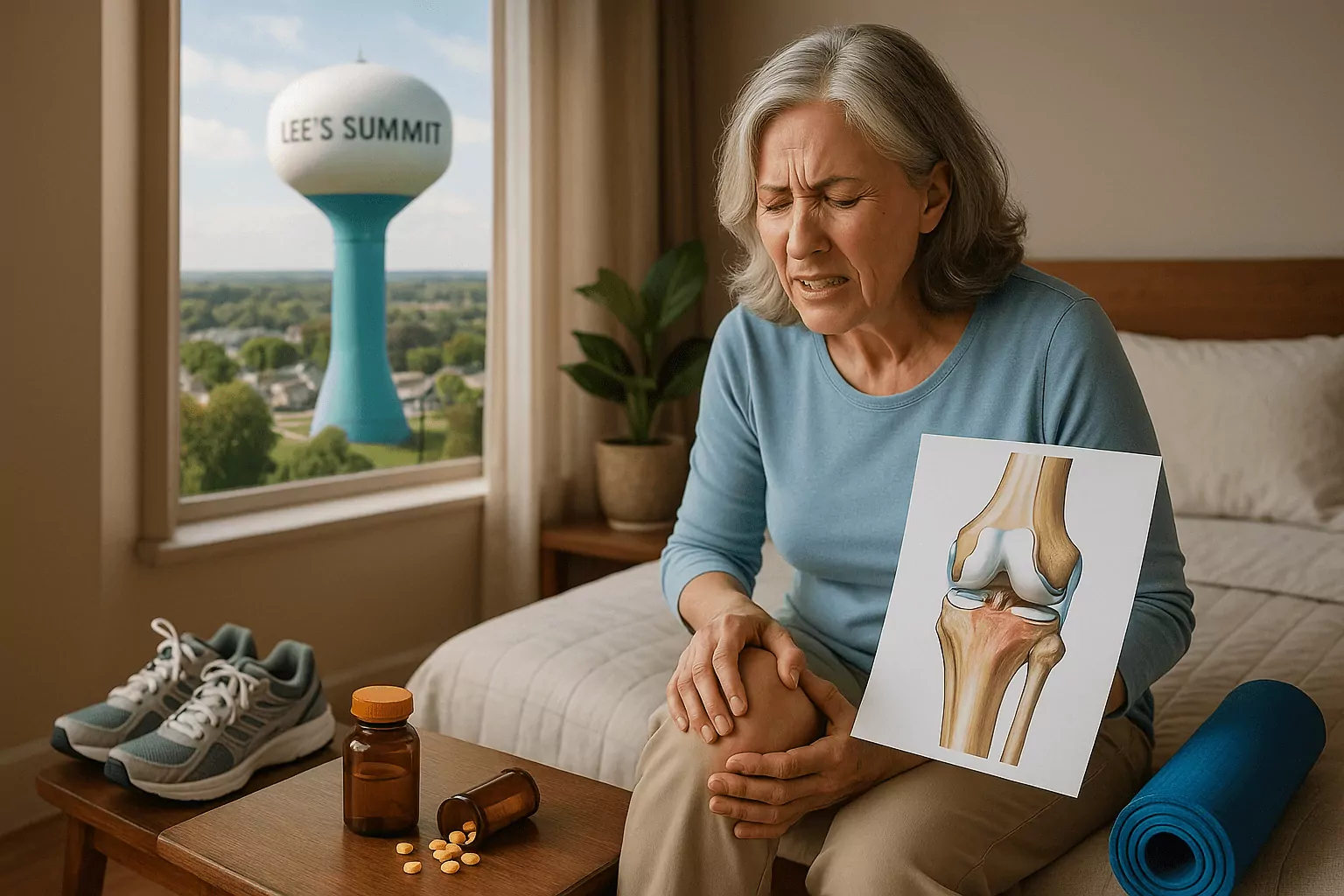
Finding practical, trustworthy information on joint pain relief in Lees Summit can feel overwhelming, especially when discomfort affects everyday routines like commuting, yard work, or weekend sports. This guide brings together local insights, evidence-informed strategies, and resources to help you navigate options with confidence. You will learn common non-medical factors that influence stiffness, what questions to ask when seeking care, and how to evaluate local services. For easy access, we have included links to community-focused providers and credible national health organizations. Whether your goal is to move more comfortably at the office or to get back to outdoor trails, you will find actionable ideas here. Above all, consider this resource educational, not medical advice, and consult a qualified professional if you have concerns.
Understanding everyday contributors to joint discomfort in Lees Summit
Many residents notice that seasonal shifts and daily habits can influence how joints feel from week to week. Cold snaps on the prairie, long car rides along I-470, or prolonged desk time can contribute to stiffness and achiness. While everyone is different, common patterns include knee soreness after prolonged sitting, shoulder tightness from device use, and lower back discomfort following heavy weekend projects. Recognizing these everyday contributors helps you spot trends and make small, sustainable tweaks to your routine. It also makes conversations with local providers more productive because you can share clear examples and timelines.
Another useful lens is understanding how activity variability can affect your body. Periods of high-intensity effort after a week of relative inactivity can leave joints feeling irritated. Conversely, very light activity for too long may also reduce comfort and mobility for some people. Tracking sleep quality, hydration, and footwear changes can reveal additional clues that relate to how your joints feel. None of this replaces professional evaluation, but it offers a helpful, non-medical framework you can use today to observe patterns.
Evidence-informed self-care approaches to support comfort and mobility
General movement variety throughout the day can be a simple way to support joint comfort without making sweeping life changes. Brief movement breaks, gentle range-of-motion drills you are familiar with, and alternating between sitting and standing may help you feel more at ease. Many people also find that planning errands to include short walks or choosing stairs when appropriate adds welcome activity in manageable doses. Comfortable footwear, mindful lifting techniques for home projects, and adjusting desk ergonomics can further reduce unnecessary strain. Consider keeping a brief daily log to see which changes correlate with how you feel over time.
Nutrition, hydration, and stress-management habits can also play a role in how joints feel from day to day. While individual needs vary, a balanced approach to meals and consistent fluid intake can support overall wellness. Mindful wind-down routines, consistent sleep schedules, and light relaxation techniques may also contribute to feeling better during busy weeks. For additional education on joint health basics, review resources from organizations like the Arthritis Foundation and the National Institute of Arthritis and Musculoskeletal and Skin Diseases. These sources offer accessible information you can discuss with a professional: Arthritis Foundation, NIAMS on Joint Pain, and the CDC Arthritis Program.
When to consider local evaluation for joint pain relief in Lees Summit
If joint discomfort is limiting your daily activities, recurring despite simple changes, or disrupting sleep, it may be time to seek local help. An in-person evaluation provides context for your history, daily demands, and goals, which can inform a tailored, conservative plan. In Lees Summit, residents often look for providers who focus on lifestyle-friendly strategies, posture coaching, and joint-friendly movement education. A good first visit typically includes a thorough conversation, a non-invasive assessment of movement patterns, and practical guidance you can implement between visits. Keep notes on questions you want answered so you leave feeling informed and supported.
Signs that it could be helpful to schedule a consultation include the following patterns you can track at home. Keeping a brief record for one to two weeks can clarify trends and priorities for your appointment. You might also collect photos of your workspace or footwear to discuss everyday influences.
How Power Up Chiropractic supports joint pain relief in Lees Summit
Power Up Chiropractic takes a patient-centered, education-first approach designed to fit real life in Lees Summit. During an initial visit, the team explores your history, daily patterns, and goals, then explains what they see in clear, practical language. Many people appreciate learning simple posture strategies, joint-friendly movement variations, and task-specific tips for work and home. The focus stays on clarity, collaboration, and small, sustainable steps that respect your schedule. For appointments and availability, you can visit the booking portal at Book Online.
Residents also value having local access for check-ins, progress reviews, and updated guidance as needs evolve through the seasons. If you are comparing options, start with a brief conversation to understand how your goals will be prioritized. To connect directly, use the contact form at Power Up Chiropractic Contact or explore the homepage at Power Up Chiropractic. For an overview of joint pain relief in lees summit and nearby resources, the team can point you to community-friendly tools and reading. As always, information shared is educational and not a substitute for individualized professional guidance.
Joint comfort often improves through a blend of awareness, small routine adjustments, and informed local support. By tracking patterns, updating your workspace or daily habits, and seeking timely evaluation when needed, you can move forward with clarity. For local, education-forward help with joint pain relief in Lees Summit, consider Power Up Chiropractic at 1332 NE Windsor Dr Ste #3, Lee's Summit, MO 64086. Call (816) 491-3784, explore services at https://powerupchiro.com/, book online at https://powerupchiro.janeapp.com/, or send a note via https://powerupchiro.com/#contact. Every situation is unique, so use this guide as a learning tool and connect with a qualified professional for individualized insight. With the right plan, your next steps toward comfort can be simple, practical, and sustainable.
Frequently Asked Questions
What everyday steps can I take to support joint pain relief in Lees Summit without medical advice?
Focus on simple, non-medical habits that fit your day, like varying your posture and adding brief movement breaks. Keep a short log of activities, footwear, sleep, and hydration to see how each factor relates to your comfort. Adjust your work setup so screens meet your eye level and commonly used items are within easy reach. Choose errands that naturally include short walking intervals and consider stairs when appropriate to add gentle movement variety. If discomfort persists or disrupts daily life, consider scheduling a professional evaluation for personalized guidance.
How do I know if a local provider is a good fit for my needs and goals?
Look for clear communication, a collaborative approach, and a plan that respects your weekly schedule and responsibilities. Ask how they assess movement patterns and how often they check progress against your goals. Inquire about education on posture, ergonomics, and task-specific strategies so you can make changes between visits. Reading reviews from Lees Summit residents can provide insight into communication style and accessibility. If you want to connect with a community-focused clinic, consider contacting Power Up Chiropractic through their contact page.
Are there trustworthy sources where I can learn more about joint health basics?
Yes, several national organizations publish accessible information that you can review and discuss with a professional. Start with the Arthritis Foundation for articles, community insights, and practical guides on joint health. Explore the NIAMS joint pain page for overviews on symptoms, risk factors, and questions to consider. The CDC Arthritis Program also offers educational materials and data that many people find useful. These resources are educational and not a substitute for personalized evaluation, but they are excellent starting points.