
Understanding Spinal Stenosis Treatment in Lees Summit: A Comprehensive Guide
Effective options for managing spinal stenosis in Lees Summit, tailored for patients seeking relief and improved mobility.
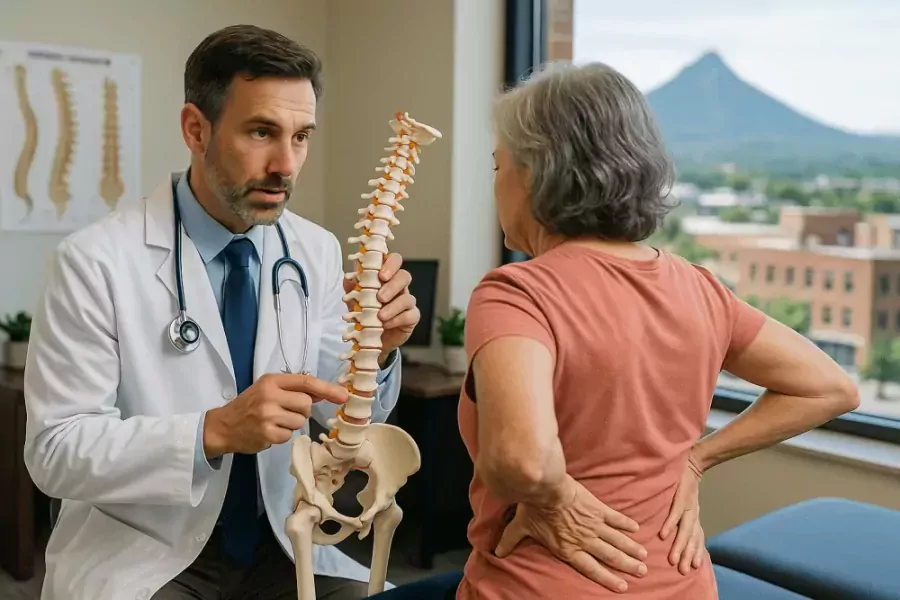
Finding trustworthy information about spinal stenosis can feel overwhelming, especially when you are trying to stay active in Lee's Summit. If you are researching options for spinal discomfort, Spinal stenosis treatment in lees summit is a smart place to start. This guide explains what spinal stenosis is, common ways it is assessed, and how local noninvasive care may help you manage symptoms without medical advice. You will also discover how different specialists collaborate so you can make informed, confident choices. Realistic timelines, practical examples, and credible resources are included to keep expectations grounded. Most importantly, you will learn how to connect with local professionals who understand your goals and your day-to-day challenges.
What spinal stenosis is and how it shows up in daily life
Spinal stenosis describes a narrowing within the spine that can crowd nerves and lead to pain, tingling, or weakness. People often notice sciatica-like leg pain with walking, low back tightness, or neck and arm symptoms that fluctuate with posture and activity. In Lee's Summit, many residents report that grocery shopping, yard work, or standing at youth sports games are the moments when symptoms flare the most. Understanding which positions ease or worsen symptoms is a key first step in planning care and setting goals. For some, leaning forward on a cart eases leg symptoms, while prolonged standing makes them worse, which hints at how body mechanics influence nerve space. These observations help guide conversations with providers about conservative options and next steps.
Assessment typically starts with a thorough history and movement-based screening to identify patterns and functional limits. When appropriate, your primary care physician may order imaging such as MRI to clarify anatomy and rule out other concerns, especially if symptoms are progressive. National resources like the National Institute of Neurological Disorders and Stroke explain spinal stenosis in plain language and are helpful for background reading before appointments. You can explore their overview to better understand common symptoms and causes at NINDS. Using a blend of personal observations and objective findings makes it easier to map a realistic plan that prioritizes daily function. By focusing on what matters most to you, care can remain practical and goal driven.
Personalized, noninvasive options for spinal stenosis treatment in lees summit
Noninvasive options in Lee's Summit aim to improve comfort, joint motion, and day-to-day function without making medical recommendations. Many people explore gentle chiropractic techniques, mobility-focused approaches, and ergonomic coaching to reduce mechanical stress on sensitive tissues. Simple changes like pacing activities, varying positions during the day, and adjusting workstation height can make a meaningful difference over time. Educational guidance on sleep positions, safe lifting strategies, or when to take short movement breaks often complements in-office care. For local support and scheduling, you can learn more about care options at Power Up Chiropractic or book a visit through our online appointment portal. While experiences vary, many people value a measured, stepwise approach that tracks function and comfort rather than quick fixes.
Consider a common scenario from Lee's Summit: an active adult notices leg tingling after 10 minutes of standing at community events. After a structured plan that combines gentle in-office care, pacing strategies, and better sitting and standing setups, standing tolerance gradually extends to 25 minutes across several weeks. This individual keeps a simple symptom and activity log, which helps fine-tune changes and celebrate small wins. On busier weeks, planned rest breaks help calm symptoms without losing momentum on goals. This story is for illustration only and not medical advice, but it shows how clarity, consistency, and collaboration can move the needle. For additional background on non-surgical pathways, see the American Academy of Orthopaedic Surgeons overview at AAOS OrthoInfo.
When to involve local specialists and how care is coordinated
There are times when adding other specialists makes sense for safety and clarity. Primary care physicians, pain specialists, or surgical teams may be consulted when symptoms escalate, when neurological changes occur, or when imaging is needed for decision-making. Red flags that warrant prompt medical attention include rapidly worsening weakness, changes in bowel or bladder control, recent major trauma, or significant unexplained weight loss. If you notice these concerns, contact a medical professional immediately. In less urgent situations, a team-based approach can help you understand the full spectrum of options and timelines. If you would like to start a conversation locally, reach out via the Power Up Chiropractic contact page to discuss next steps and coordinated care.
Care coordination typically includes setting shared goals, exchanging relevant exam details, and tracking objective changes such as walking distance or time to symptom onset. When needed, your physician can advise on medications, imaging, or interventional options, while your local conservative-care provider focuses on mechanics and daily function. Together, this creates a clear framework for when to stay the course and when to pivot. You can also review consumer-friendly information about spinal stenosis through MedlinePlus to prepare questions for your appointments. Keeping everyone aligned reduces confusion and helps you make informed choices at each milestone.
Spinal stenosis can challenge your routines, but the right information and a coordinated plan make a real difference. By understanding symptom patterns, using practical strategies, and partnering with trusted local professionals, you can move forward with clarity. If you are ready to explore next steps in Lee's Summit, connect with Power Up Chiropractic at powerupchiro.com, call (816) 491-3784, or visit 1332 NE Windsor Dr Ste #3 Lee's Summit, MO 64086. You can also request a time that works for you through our online booking page or send a message via the contact form. Every plan is individualized, educational, and focused on your goals without providing medical advice. Take the next step toward comfort and confidence today.
Frequently Asked Questions
What is spinal stenosis and how is it evaluated locally?
Spinal stenosis is a narrowing in parts of the spine that may irritate nearby nerves, contributing to pain, tingling, or weakness. Evaluation generally begins with a detailed conversation about your symptoms, activities, and goals, followed by movement and function checks. If certain patterns or red flags appear, your physician may order imaging to clarify anatomy and guide next steps. Local conservative-care providers focus on comfort, mechanics, and function while coordinating with medical teams when appropriate. This team-based approach aims to give you a clear path forward without offering medical advice. The result is a plan that prioritizes your daily life and safety.
How long does conservative care usually take to show changes?
Timelines vary because everyone's health history, workload, and activity demands are different. Many people track progress week by week, looking for small wins like increased walking distance, improved standing tolerance, or fewer flare-ups. A steady approach that combines in-office care with practical home strategies often yields the most reliable changes. Your plan should be adjusted based on your response, keeping the focus on function and comfort rather than rigid timelines. Open communication with your providers helps refine expectations and maintain momentum. Consistency and realistic goals are key ingredients for meaningful progress.
Will I need injections or surgery for spinal stenosis?
Many cases are managed without procedures, but some individuals benefit from interventional options based on severity and goals. Decisions about injections or surgery should be made with your medical team after appropriate assessment and discussion. Educational resources like NINDS and AAOS OrthoInfo can help you prepare questions before those visits. The aim is to weigh symptom impact, function, and risks against potential benefits. Clear milestones and ongoing check-ins ensure you pivot only when the evidence supports it. Your comfort, values, and activities should always guide the conversation.