
Understanding Nerve Compression Treatment in Lees Summit: Symptoms and Solutions
Nerve compression treatment options in Lees Summit to relieve pain and improve mobility for those suffering from nerve issues.
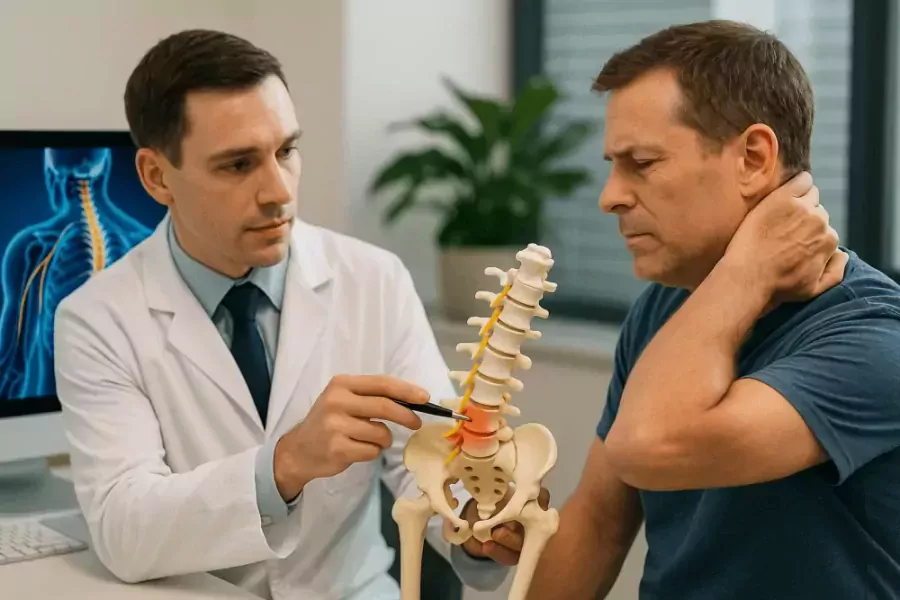
Numbness, tingling, or burning pain can quickly turn everyday tasks into frustrating hurdles, and that is why many people explore nerve compression treatment in Lees Summit. Whether symptoms arise from hours at a desk, repetitive motions at work, or an old sports strain, understanding what is happening and where to turn locally can make a big difference. In this guide, we walk through common signs of nerve irritation, how providers in Lee's Summit assess the issue, and what non-invasive care plans may look like. You will also find practical ways to choose the right clinic and questions to ask before starting care. We include real-world examples, links to credible resources, and ways to connect with a trusted local team. By the end, you will have a clearer picture of next steps so you can move with more comfort and confidence.
What Nerve Compression Is and Why Early nerve compression treatment in Lees Summit Matters
Nerve compression, sometimes called a pinched nerve or nerve entrapment, occurs when nearby tissues place sustained pressure on a nerve. That pressure can come from joint or disc changes, tight muscles or connective tissue, or repetitive movement patterns that irritate a nerve pathway. People often describe sharp or radiating pain, tingling into the hands or feet, or a heavy, achy feeling after certain activities. In some cases, symptoms travel along a typical route such as the sciatic pathway down the leg or the median nerve in the wrist. While occasional discomfort can settle on its own, recurring or progressive symptoms deserve attention so an appropriate, individualized plan can be created. Getting a clear picture early helps reduce flare-ups and sets better expectations for recovery timelines.
In everyday life, nerve compression shows up in recognizable patterns, from neck-and-arm tension linked to screen time to hip-and-leg irritation after long commutes. Common scenarios include carpal tunnel-type wrist numbness, sciatica-like shooting sensations, or a deep ache between the shoulder blades that zings with certain head positions. Local providers approach these patterns by identifying what aggravates the nerve and what relieves it, then building a plan around that information. This often includes posture and ergonomics coaching, activity modifications, and gentle, non-invasive techniques designed to calm irritated tissues. If red flags or atypical findings appear, clinicians coordinate with other professionals for appropriate testing or referral. The goal in Lees Summit care settings is to match the plan to the person, not force the person into a one-size-fits-all plan.
Common Symptoms and When to Consider nerve compression treatment in Lees Summit
People often first notice pins-and-needles or a light buzzing sensation, which may progress to shooting pains or a sense of heaviness in a limb. Symptoms can be intermittent at first, showing up after specific tasks or at the end of the day, then lingering longer if irritants persist. Some report waking at night with hand numbness or difficulty gripping small objects, while others feel a hot, electric line down the leg with certain movements. Over time, compensation patterns can develop, as the body tries to offload the aggravated area, which may create tension elsewhere. When these clues persist or begin affecting work performance and hobbies, it is reasonable to seek a professional assessment. Early evaluation can help distinguish temporary irritation from issues that benefit from more structured support.
If you are weighing your next step, consider how symptoms trend across weeks, not just days, and whether your usual changes to desk setup or routine calm things down. A pattern of recurring irritation, increasing frequency, or notable weakness suggests the need for guidance from a qualified provider. A local evaluation in Lee's Summit can establish baselines, identify aggravators, and outline a stepwise plan centered on your goals. For general background on pinched nerves, credible overviews from the Mayo Clinic and Cleveland Clinic can be useful starting points before you visit a provider. See the Mayo Clinic overview on pinched nerves for more context at Mayo Clinic, and additional details at Cleveland Clinic. When in doubt, a careful examination can clarify what is driving your symptoms and what a reasonable course of action might look like locally.
How Local Providers Approach nerve compression treatment in Lees Summit
Local clinics typically start with a detailed history and movement assessment to pinpoint where a nerve is being irritated and which activities keep it sensitive. Non-invasive options may include gentle joint work, soft-tissue strategies, and mobility progressions chosen to reduce pressure along the involved nerve pathway. Education is central, with providers explaining symptom patterns, likely aggravators, and simple adjustments that align with your daily routine. At Power Up Chiropractic in Lee's Summit, plans are tailored to your goals, with clear milestones and regular check-ins to adjust pacing. When appropriate, providers coordinate with other professionals for imaging or specialist input to ensure your plan remains safe and goal-directed. This measured approach helps reduce flare frequency while building confidence in movement.
Consider a common scenario: an office professional with leg pain during long drives and tingling after extended computer use. After a thorough evaluation, the plan targeted desk ergonomics, scheduled movement breaks, and gentle in-office techniques chosen to calm irritated tissues. Over several visits, the individual reported fewer night symptoms and more confident walks on uneven ground, while continuing to monitor responses to daily tasks. Results always vary, but a structured, communication-rich process gives you a roadmap and a way to measure progress. If you are exploring your options, you can learn more about our clinic at Power Up Chiropractic, book online at Request an Appointment, or send a note through our Contact page. For a general primer you can also review nerve compression treatment in Lees Summit as a starting point and then connect with a local professional for individualized guidance.
Choosing a Clinic for nerve compression treatment in Lees Summit
Selecting the right clinic begins with transparency: look for clear explanations, realistic timelines, and a collaborative tone from the first conversation. Verify licensing and experience with nerve-related complaints, and ask how progress is tracked across visits. A strong clinic will discuss what to expect if symptoms fluctuate, how they adapt plans, and when they collaborate with other providers. Online reviews and community referrals can offer context, but your own comfort with the provider's communication style often matters most. In Lee's Summit, convenience also counts, from parking and hours to easy scheduling. If you are comparing options, explore the clinic homepage at Power Up Chiropractic and use the online scheduler at Book Now to choose a time that works for you.
Arriving prepared can help your first visit go smoothly and ensure a more precise plan. Bring notes about when symptoms started, what improves or worsens them, and your goals for work, family, and recreation. Ask how the clinic differentiates nerve irritation from other sources of pain and what benchmarks they use to gauge improvement. Clarify costs, expected visit frequency, and how your plan will change as symptoms calm or activity levels rise. If questions come up before or after your appointment, reach out through the clinic's contact form or call to confirm details. Clarity on these points sets the stage for confident, informed care.
Nerve-related symptoms can be frustrating, but a clear, step-by-step plan helps you move forward with purpose. By understanding common signs, mapping aggravators and easing factors, and partnering with a collaborative provider, you can navigate options with confidence. If you are in Lee's Summit and exploring next steps, Power Up Chiropractic offers transparent, non-invasive care plans and easy scheduling. Learn more at powerupchiro.com, request a convenient time at powerupchiro.janeapp.com, or send a question through the contact page. For direct assistance, call Power Up Chiropractic at (816) 491-3784 or visit us at 1332 NE Windsor Dr Ste #3, Lee's Summit, MO 64086. Your next step toward comfort can be simple, clear, and local.
Frequently Asked Questions
How do I know if I should seek nerve compression treatment in Lees Summit
Minor tingling or soreness after a new activity can be normal and may settle as your body adapts, but persistent or escalating symptoms deserve a closer look. Consider patterns across weeks rather than days, and note whether simple changes like standing more often, altering mouse position, or reducing repetitive tasks provide relief. If symptoms start to interfere with sleep, grip, walking confidence, or work performance, an evaluation can clarify next steps. A local provider can help distinguish nerve irritation from other issues, establish baselines, and outline a safe plan. If red flags such as significant, sudden weakness or changes in bowel or bladder control occur, seek urgent medical attention. When in doubt, a measured, professional assessment is a prudent step.
What kinds of activities commonly aggravate nerve compression, and how is that handled in treatment
Common aggravators include prolonged sitting, repetitive wrist or elbow movements, high-load lifting without adequate recovery, and certain sustained head or shoulder positions. During care, providers typically map which positions or tasks irritate symptoms and which ease them, then build strategies around those findings. This may include workstation adjustments, pacing strategies, and graded exposure to tasks that matter most to you. In-office approaches focus on calming irritated tissues and improving tolerance to movement without overloading sensitive areas. Clear communication helps you test daily tasks while monitoring symptoms so the plan stays aligned with your goals. The emphasis is on practical, sustainable changes that fit your routine.
Do I need imaging before starting nerve compression treatment in Lees Summit
Imaging is not always necessary for common nerve irritation patterns, and many people begin with a careful history and movement assessment. Providers consider imaging if symptoms are atypical, severe, unresponsive over a reasonable timeframe, or if certain red flags are present. When needed, clinics coordinate with radiology or your primary care provider to ensure testing is appropriate. The priority is to gather just enough information to guide a safe, personalized plan without unnecessary steps. Your provider should explain why imaging is or is not recommended and how results would change your care plan. This approach keeps attention on meaningful actions and clear decision points.