
Top 5 Strategies for Pinched Nerve Treatment in Lees Summit
Effective methods to relieve pain and improve mobility for those suffering from pinched nerves in Lees Summit.
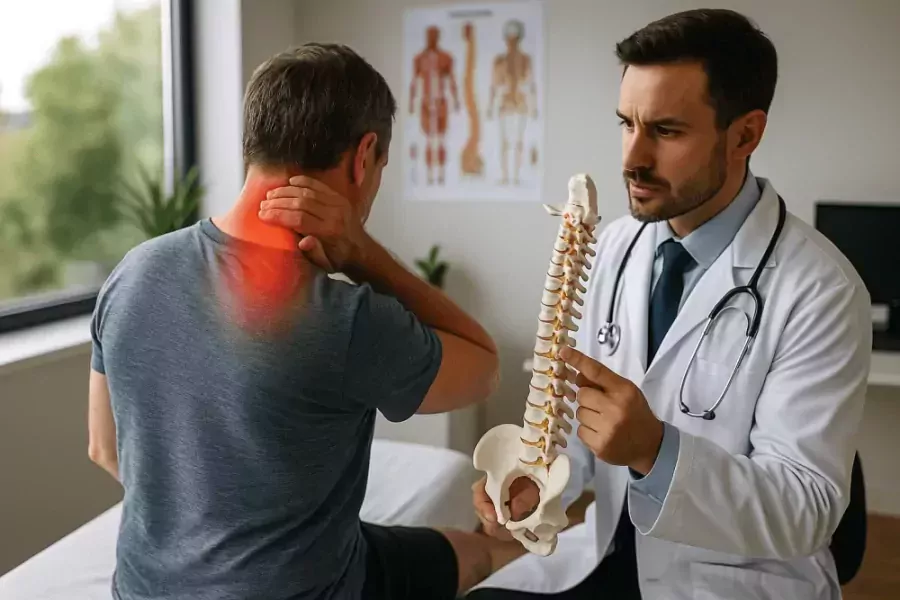
If numbness, tingling, or sharp aches are slowing you down, you are not alone in Lee's Summit. Many neighbors search for pinched nerve treatment in Lees Summit that is effective, local, and tailored. Understanding your options helps you choose confident next steps without guesswork. In this guide, we outline five proven, non-surgical strategies you can explore with a qualified provider. You will learn what to expect, how care is personalized, and where to find trusted local resources. For quick reference, discover more about pinched nerve treatment in lees summit and how to connect with a nearby team that can help.
1. Precise chiropractic evaluation for pinched nerve treatment in Lees Summit
Effective care begins with a precise evaluation that looks beyond symptoms to root causes. A chiropractor in Lee's Summit will review your health history, posture, daily habits, and prior injuries. They may use orthopedic and neurological screens to explore where compression or irritation may occur. This process clarifies whether discomfort stems from the neck, mid-back, or lower back, or from lifestyle strain. With a clear picture, your care plan can be targeted, measurable, and easier to track over time.
Many patients appreciate how this assessment translates into plain language and practical next steps. For example, a desk-based professional with neck stiffness may learn how screen height and chair setup relate to nerve irritation. An active parent might see how repetitive lifting patterns add strain to lumbar tissues. These insights help you understand why certain approaches are chosen and how progress will be monitored. Educational support is central, and it empowers you to participate in your own recovery pathway.
2. Gentle, non-force adjustments tailored to pinched nerve treatment in Lees Summit
After evaluation, many individuals explore gentle, non-force chiropractic adjustments designed to reduce joint restrictions. These techniques are customized to your comfort level and mobility. The aim is to promote better motion in targeted regions while minimizing irritation to sensitive tissues. Adjustments may be manual or instrument-assisted, depending on your needs and preferences. Sessions are paced thoughtfully to align with your goals and daily routine.
People often report improvements in ease of movement and reduced stiffness following a short series of visits. In a typical case example, a weekend athlete with radiating arm sensations noted better range of motion after gradual, low-force adjustments focused on the cervical spine. Another individual with desk-related lower back tightness described steadier relief as sessions progressed. Progress is regularly reviewed so your plan remains responsive. Throughout, you can expect clear explanations about why each step is being taken.
3. Soft-tissue and mobility-focused care supporting pinched nerve treatment in Lees Summit
Soft-tissue care can complement adjustments by addressing tight, overworked muscles that contribute to tension around nerves. Providers may use hands-on methods to ease restricted areas, with an emphasis on comfort and control. Targeted approaches can help reduce guarding, improve tissue glide, and support better mechanics. Mobility work is introduced thoughtfully, focusing on quality of motion and smooth patterns. The goal is to foster an environment where irritated nerves are less likely to be aggravated.
Patients often find value in learning how daily movement patterns influence their symptoms. To keep it simple, your care team may help you prioritize a few key changes. Examples include focusing on how you turn to check a mirror while driving or how you rotate when lifting a light box. Small refinements in movement quality can reduce cumulative strain. Over time, these changes help your improvements last longer between visits.
4. Ergonomics and posture coaching as part of pinched nerve treatment in Lees Summit
Ergonomic and posture coaching can play a pivotal role in keeping relief on track. Rather than prescribing generic routines, providers tailor guidance to your workstation, commute, and hobbies. Simple changes to monitor height, seat support, or phone use may reduce strain that fuels irritation. Even small tweaks to bag choice or lifting technique can make a noticeable difference. Coaching emphasizes consistency and practical fit for your daily life.
Consider a common scenario in Lee's Summit where hybrid work means frequent laptop use at home and the office. A provider might help you prioritize external keyboard use, neutral wrist angles, and timed micro-breaks. Another resident who enjoys gardening might discuss kneeling supports and mindful transitions up from the ground. These examples illustrate how posture and ergonomics are woven into care, not treated as afterthoughts. The outcome is a more sustainable path that supports relief between visits.
5. Clear plan, check-ins, and referrals to round out pinched nerve treatment in Lees Summit
A well-structured plan clarifies frequency of visits, expected milestones, and when to reassess. Regular check-ins help measure whether comfort, strength, and mobility are trending in the right direction. If progress stalls or red flags appear, your provider can discuss imaging or coordinate with other healthcare professionals as appropriate. This collaborative mindset keeps safety and clarity at the forefront. You stay informed about options at each decision point.
For added confidence, many practices outline how long typical phases may last and what improvements to watch for. You might see milestones such as fewer morning flare-ups, less tingling after desk work, or easier sleep positioning. When next steps are clear, it is easier to stay engaged and hopeful. If you want to connect locally, explore the team at Power Up Chiropractic or use their quick scheduler to book an appointment. You can also reach out with questions via the contact page for timely guidance.
Relief from nerve-related discomfort is more achievable when you pair a clear plan with local, professional guidance. The five strategies above spotlight how evaluation, gentle adjustments, soft-tissue care, ergonomics, and structured follow-ups work together. Each piece supports steady progress and helps protect your results day to day. If you are ready to explore care in Lee's Summit, reach out to Power Up Chiropractic, 1332 NE Windsor Dr Ste #3, Lee's Summit, MO 64086. Call (816) 491-3784, visit powerupchiro.com, book an appointment online, or send a note via the contact page to get started.
Frequently Asked Questions
How do I know if I have a pinched nerve or something else?
Only a qualified provider can evaluate your specific situation, but some people notice tingling, numbness, or a "pins and needles" feeling. Others describe sharp or radiating discomfort linked to certain postures. An exam can explore strength, reflexes, and motion patterns to narrow possible sources. Authoritative overviews from trusted organizations, such as the Mayo Clinic and Cleveland Clinic, explain common signs. Use this information for education only and consult a professional for personalized evaluation.
How long does non-surgical care for a pinched nerve usually take?
Timelines vary based on the cause, duration, and daily demands placed on the area. Some people notice early improvements in comfort and motion, while others progress more gradually. A structured plan with measurable milestones helps track your trend over time. Your provider can explain what to expect in each phase and when to reassess. If you prefer local guidance, contact Power Up Chiropractic to discuss an approach that fits your schedule.
Are there reputable resources where I can learn more about nerve compression?
Yes, educational resources from respected medical organizations can be helpful. The Mayo Clinic and Cleveland Clinic offer accessible guides on nerve compression and related topics. You may also review MedlinePlus for additional background. Use these for general education rather than self-treatment. For questions about local options, the contact page at Power Up Chiropractic is a quick way to connect.