
The Benefits of Non-Surgical Spinal Decompression in Lees Summit: A Comprehensive Guide
Non-surgical spinal decompression in Lee's Summit offers effective relief for back pain without invasive procedures, helping residents regain mobility and comfort.
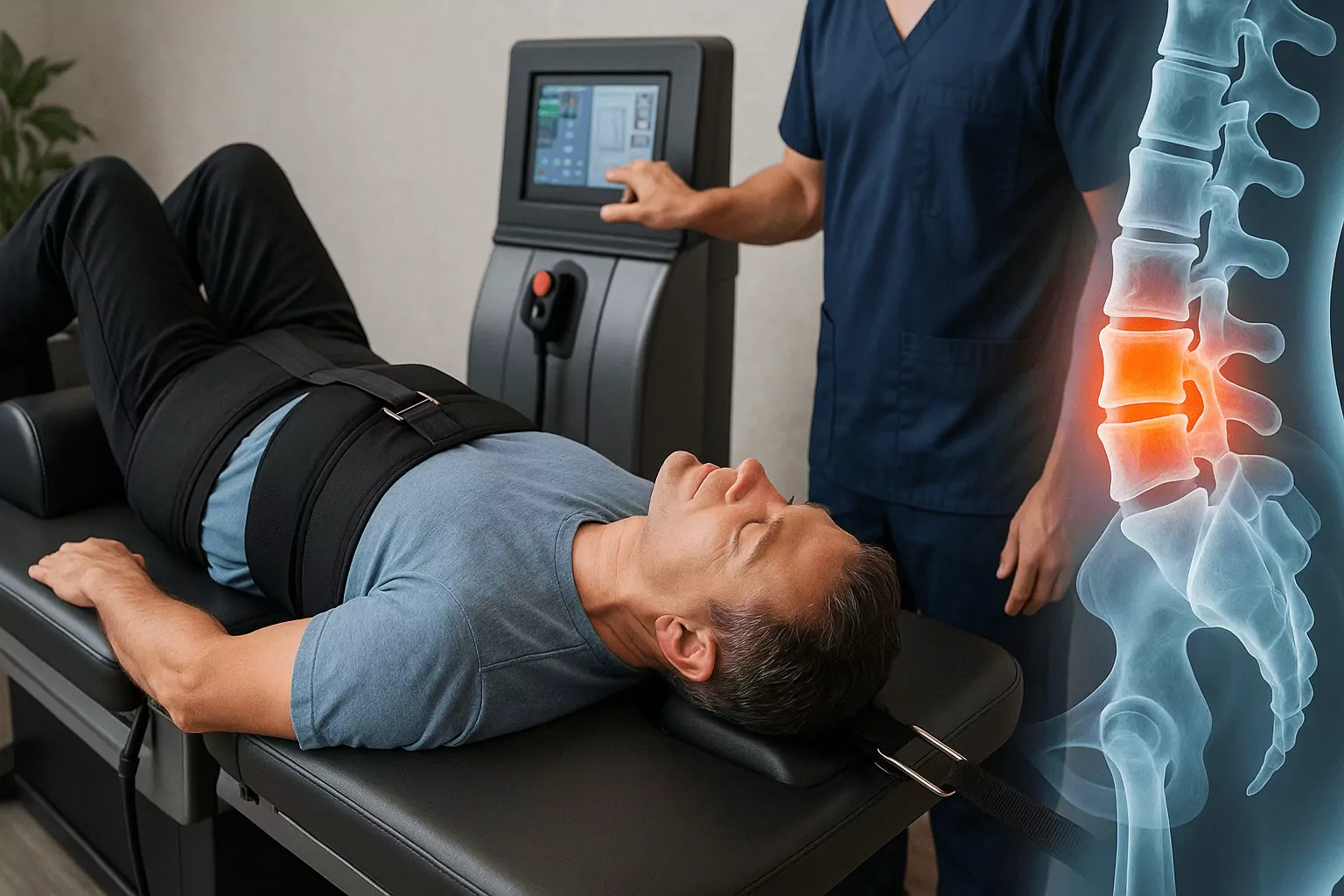
If you are exploring options for non-surgical spinal decompression Lee's Summit residents can trust, you are in the right place. This gentle, computer-assisted approach is designed to create a comfortable, targeted stretch in the spine with the goal of easing nerve pressure and supporting natural recovery processes. Many people in our community look into this option to address persistent back or neck discomfort related to disc issues, sciatica, or everyday strain. To learn more, start with this overview of how it works, who may consider it, and what a typical plan might involve. For quick access to more details, see non-surgical spinal decompression Lee's Summit resources at Power Up Chiropractic. The insights below are educational only and not medical advice, but they can help you feel more confident as you discuss next steps with a qualified provider.
Understanding non-surgical spinal decompression Lee's Summit: How the method works
Non-surgical spinal decompression uses a specialized table and guided traction patterns to gently separate targeted spinal segments. The aim is to reduce mechanical pressure around discs and nerves, allowing fluid exchange and circulation to the area. Sessions are typically brief, and the gentle pull and release cycles are computer-controlled for consistency and comfort. People often describe the experience as a controlled stretch rather than a forceful maneuver. While results vary, the overall goal is to support function and help you move more comfortably in daily life.
Research on back and neck discomfort highlights many contributing factors, including posture, repetitive strain, and disc changes over time. For background on related conditions, you can review reputable resources such as the National Institute of Neurological Disorders and Stroke on low back pain at ninds.nih.gov. Understanding the broader picture can set realistic expectations for any noninvasive approach. In our experience, clarity about the process helps people stay consistent with session schedules. Consistency is often linked to better perceived outcomes and a smoother overall experience.
Who may consider non-surgical spinal decompression Lee's Summit and common goals
Individuals explore this option for a range of reasons, from lingering stiffness to pain associated with disc bulges or sciatica. Educational resources on disc changes, such as Mayo Clinic's overview of herniated disk at mayoclinic.org, can help you understand common terms you may hear during a consult. The focus with non-surgical spinal decompression is to create a more favorable environment for daily movement and activity. That can mean different goals for different people, like sitting longer at work, walking the dog with less discomfort, or simply sleeping more soundly. A conversation with a provider can help determine whether this approach fits your situation and goals.
Consider a simple, anonymized example from the Lee's Summit area: a 43-year-old office professional with on-and-off low back tightness that flared after long drives. After committing to a consistent session plan and simple home habits like mindful posture and pacing, she reported steadier days at her desk and more comfortable evenings with her family. Another case involved a retiree who enjoyed gardening but felt limited by leg discomfort when bending; over several weeks of guided sessions and measured activity, he noticed he could spend more time outdoors with fewer breaks. These stories are not guarantees, but they illustrate the everyday goals many people bring to their visits and how a structured, noninvasive plan may support them.
Benefits, session flow, and expectations with non-surgical spinal decompression Lee's Summit
Most plans begin with a consultation to discuss history, goals, and a proposed schedule. Sessions usually involve positioning on a decompression table and relaxing while the system delivers gentle traction and release patterns. Many people appreciate the noninvasive nature of the approach and the opportunity to pair it with supportive lifestyle habits like hydration and regular movement. It is common to have a series of visits scheduled close together at first, then reassessed periodically based on progress toward personal goals. Throughout the process, you can expect open communication about comfort levels and adjustments as needed.
External resources can provide context as you learn. For an overview on nerve-related leg pain often called sciatica, MedlinePlus offers a plain-language guide at medlineplus.gov. Pairing trusted education with a structured in-office plan helps set realistic benchmarks and reduces guesswork. People typically report the experience as comfortable, with many looking forward to sessions as a break from daily strain. Again, results vary, but the emphasis remains on repeatable, gentle application over time.
Choosing a local provider for non-surgical spinal decompression Lee's Summit
Picking a provider is about trust, clarity, and convenience. In Lee's Summit, Power Up Chiropractic offers a streamlined process from initial questions to booking your first visit. You can review practice details at Power Up Chiropractic, send questions through the contact form, or reserve a time directly via the online scheduler at our booking page. Clear communication about expectations, session logistics, and scheduling helps you stay consistent and reduces uncertainty. Location, parking, and office hours are practical but important details that make follow-through easier.
When you arrive, expect a welcoming, step-by-step approach designed to help you feel comfortable. Your provider will discuss your goals, outline a proposed plan, and answer general questions about session flow. Plans are individualized, and you will have opportunities to share feedback at checkpoints. The office team can also guide you on paperwork and payment options, including what questions to ask your insurance. If you are ready to explore whether this approach aligns with your needs, starting a simple conversation is often the best first step.
Non-surgical spinal decompression in Lee's Summit offers a noninvasive, structured path that may help you move more comfortably and pursue everyday activities with greater confidence. By understanding how it works, what to expect in sessions, and how progress is evaluated, you can make a more informed decision. If you are ready to explore next steps, connect with Power Up Chiropractic at (816) 491-3784 or visit 1332 NE Windsor Dr Ste #3 Lee's Summit, MO 64086. Learn more at powerupchiro.com, send a message via the contact page, or book an appointment online. Our team is here to answer questions, outline a clear plan, and help you get started at a pace that feels right. We look forward to welcoming you to the office and supporting your goals.
Frequently Asked Questions
Is non-surgical spinal decompression safe?
Non-surgical spinal decompression is a gentle, noninvasive method delivered with computer-guided traction patterns. Many people find the experience comfortable, often describing it as a controlled stretch. As with any health service, individual considerations apply, and it is important to share your history and goals during your consultation. Your provider can explain the process and discuss typical comfort checkpoints used during sessions. Educational resources and a clear Q&A can help set expectations so you feel at ease from day one.
How many sessions will I need before I notice changes?
Experiences vary, and there is no single timetable that applies to everyone. Some people report feeling more at ease during daily tasks after a handful of sessions, while others notice gradual improvements across a series. The initial schedule is often more frequent, followed by reassessment based on your goals and comfort. Staying consistent can help you evaluate progress more clearly over time. Your provider will communicate updates and make adjustments to help you stay on track.
What does a typical session feel like?
Most people describe sessions as relaxing and comfortable, with gentle traction followed by release cycles. You will be positioned on a decompression table, and the system delivers measured, computer-controlled patterns. The goal is a precise, repeatable experience rather than a forceful stretch. You can expect the team to check on your comfort and make adjustments as needed. Sessions are designed to fit into a busy week, and many people appreciate the chance to simply unwind during treatment.
Is non-surgical spinal decompression covered by insurance?
Coverage varies by plan and carrier, so it is best to verify details directly with your insurer. Our front desk can provide itemized information and typical questions to ask when you call your plan. For quick assistance, reach out via the Power Up Chiropractic contact page or call (816) 491-3784. Even when benefits apply, coverage can differ based on deductibles, copays, or visit limits. Clear guidance upfront helps you budget confidently and avoid surprises.